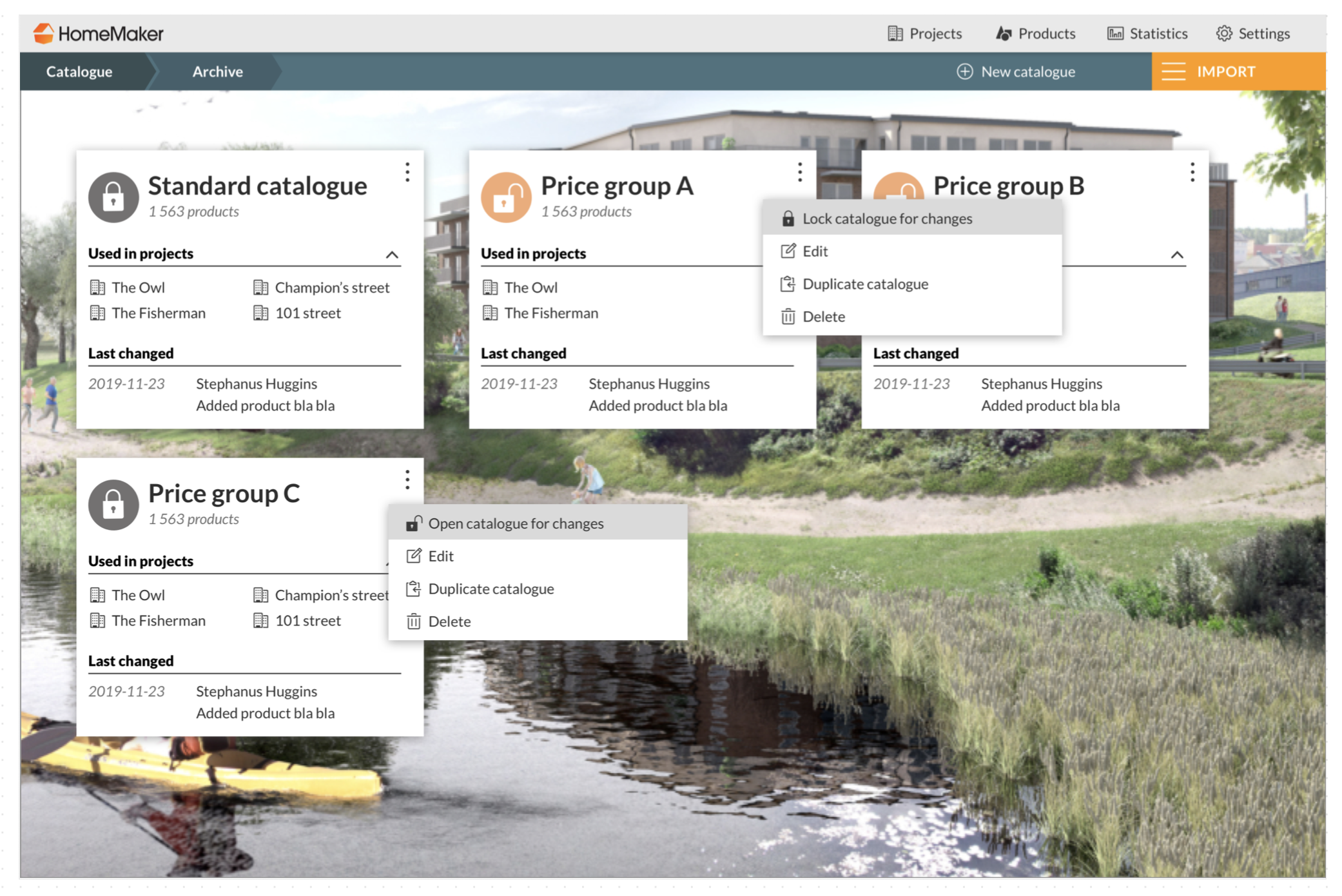
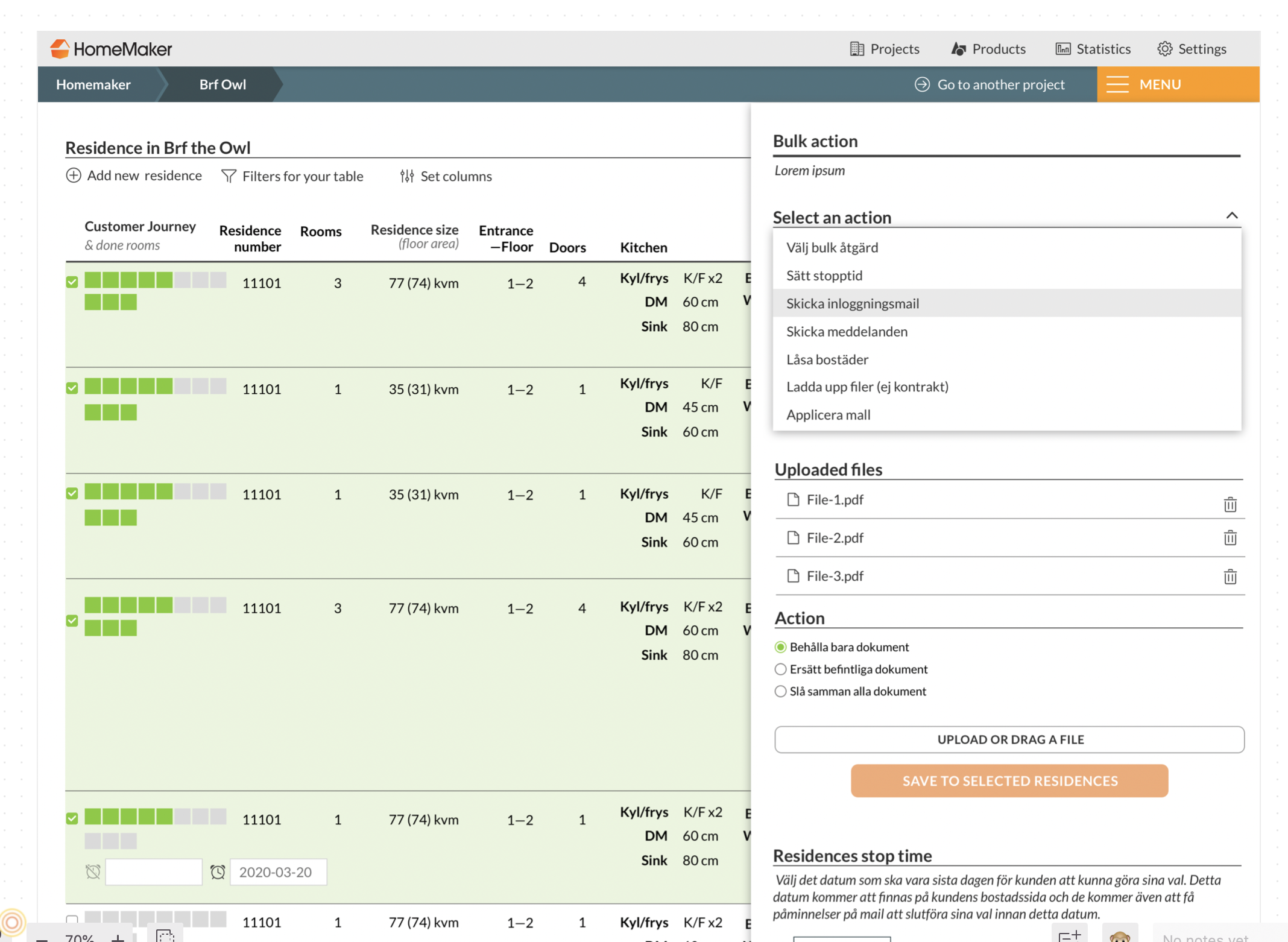
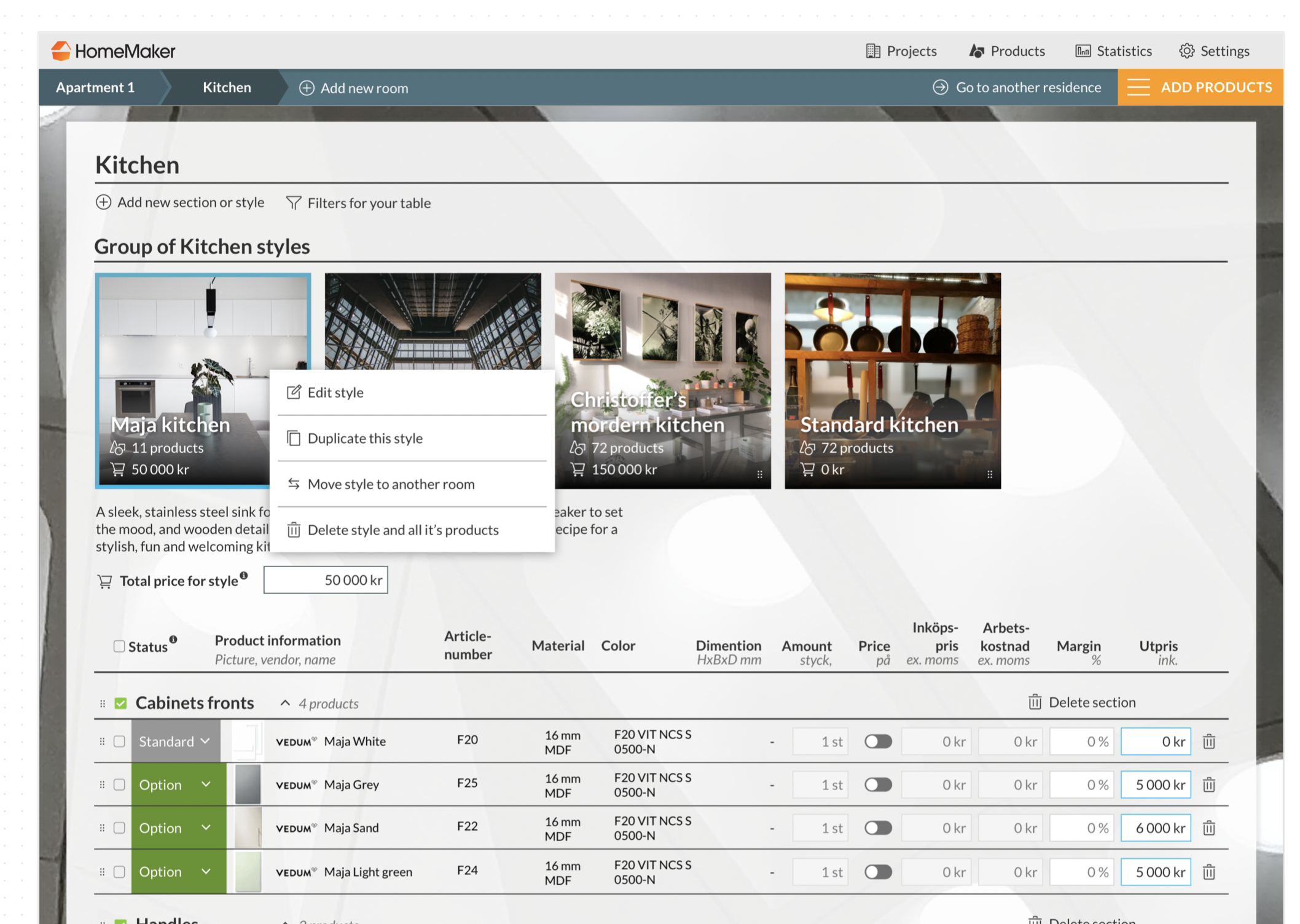
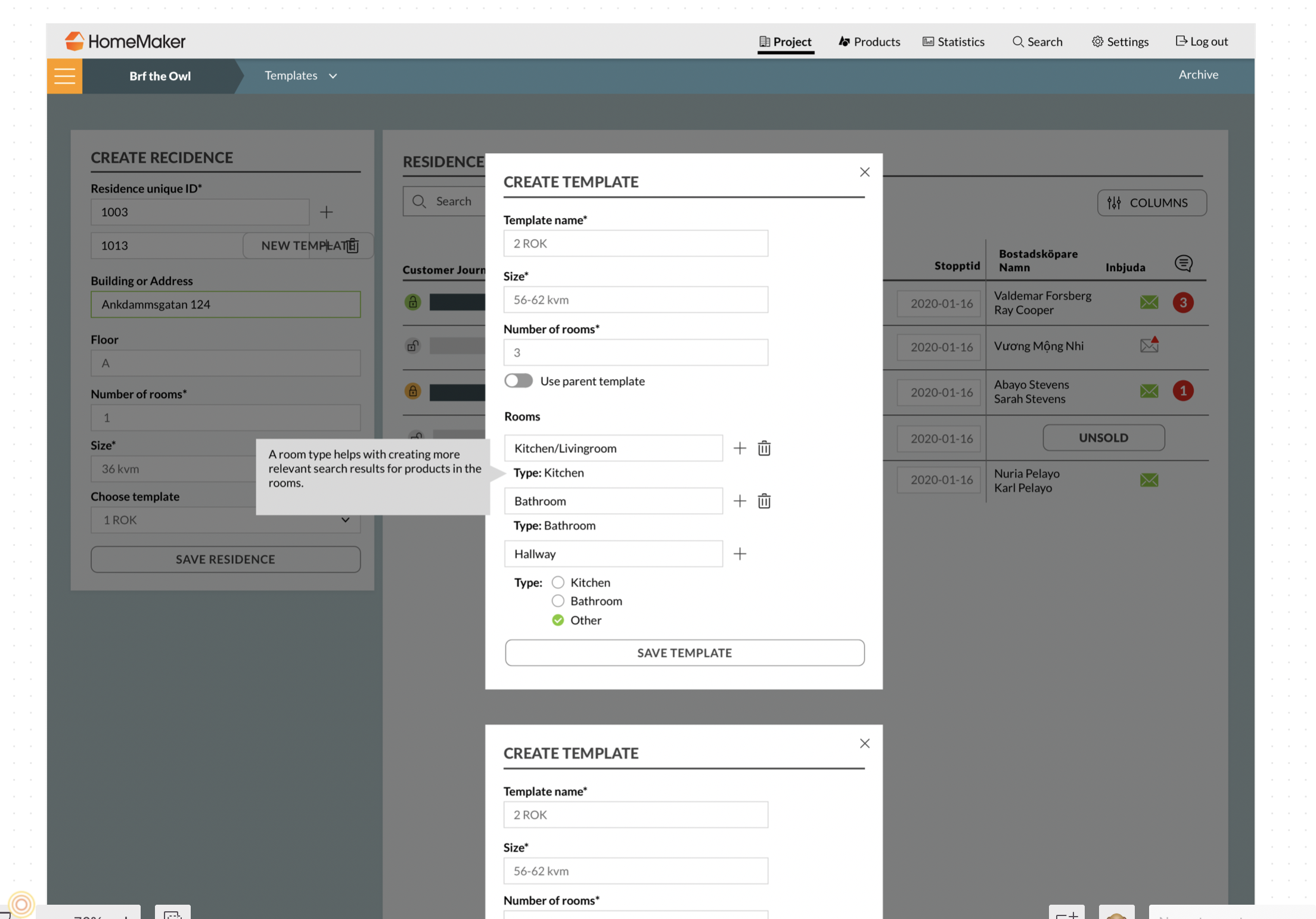

HomeMaker - Showroom
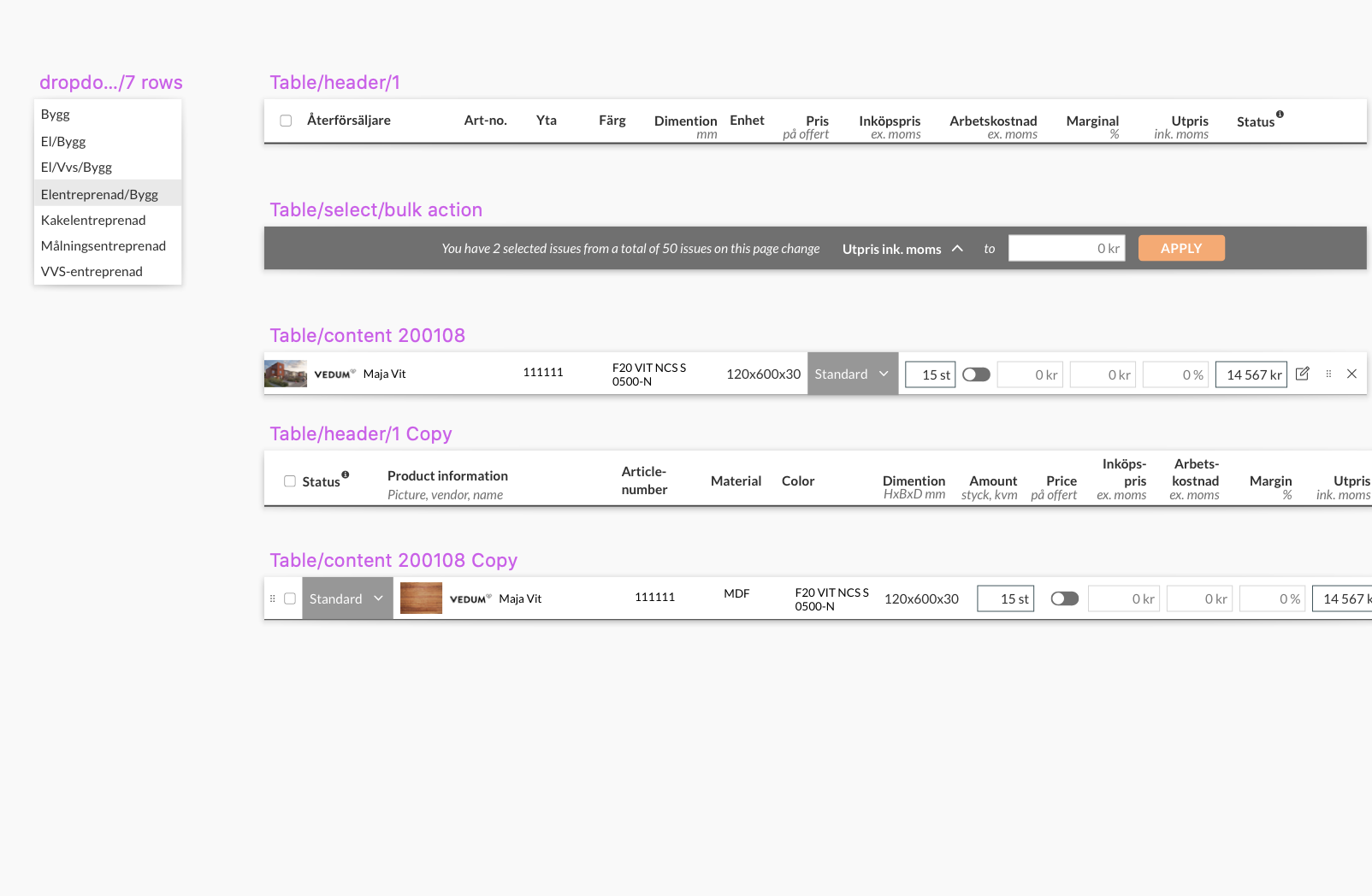
HomeMaker is a digital store for designing your new apartment, allowing users to select appliances and fixtures ahead of their move. The project began as a company initiative to overhaul the product and elevate the user experience. As the product designer, I spearheaded collaboration with user support and identified and prioritized user needs. I worked cross-functionally to refine and validate the design for users, clients, and business stakeholders. My approach centered on integrating diverse perspectives, ensuring that every design decision contributed to a cohesive and user-centric product.
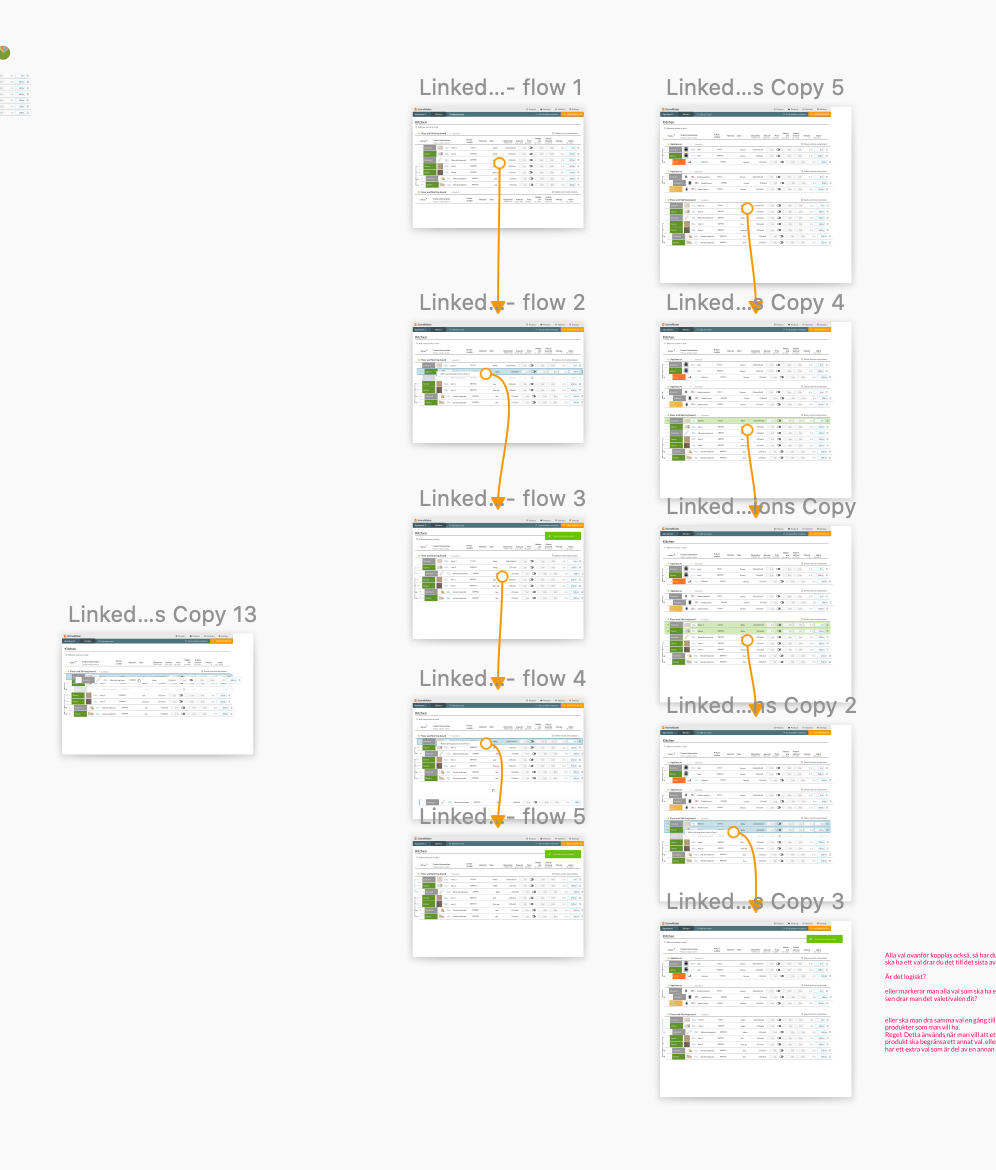
During development, the product expanded beyond new-build apartments to cover renovations, a CRM/Leads-generating platform, and issue handling. These features were added incrementally throughout the project's timeline, with new updates based on user feedback at each stage.
The problem(s) you had to solve or the hypothesis you came up with for solving them
The application's outdated, developer-driven design led users to miss crucial information and made system responses difficult to understand. This lack of clarity and poor communication of system status resulted in user confusion and frustration. Through regular meetings with clients and gathering feedback from customer success, sales, and the product owner, I led the creation of a new design focused on resolving these usability issues and delivering clear, intuitive experiences for both businesses and users.
Your specific role in the project and how you collaborated with others
As the first product designer to join the agile team, I worked alongside three developers and the product owner, introducing a user-centered design perspective to the organization.
I established the design direction, conducted user research, and collaborated closely with the team throughout testing and iteration to ensure that solutions addressed real user needs.
How you came to your proposed solution(s)
Interviews and Productboard data revealed that admins struggled to locate specific issues. I focused on deeply understanding their workflows and pain points, then translated these insights into actionable design improvements to streamline their experience.
How did your proposed solution(s) solve the problem
I developed solutions by validating ideas with user cases, then translated these into detailed designs and user stories to guide development.
Challenges you faced, including design concepts that were ultimately not pursued
A major challenge was introducing design thinking and user feedback processes to a company unfamiliar with these practices. I adapted my approach, introducing new tools and methods incrementally to build understanding and adoption within the team.
An unexpected challenge was leaving the company before the product reached end users. I ensured that my contributions established a strong foundation for future user-centered development, even after my departure.
How the project affected the users and the business
Since the product was in early development, it’s too soon to measure the full impact. However, my primary objective was to lay the groundwork for a more intuitive and accessible application as it evolves through ongoing development.
What you learned
I learned firsthand how challenging it can be to communicate user feedback to a team unfamiliar with feedback loops, especially when rapid development cycles limit reflection. Establishing a culture of iterative feedback requires persistence and clear communication about the rationale behind design decisions.
Designing for a future you may not witness firsthand is challenging, especially as design parameters and user needs evolve. However, I’m confident that the user-focused foundation I established will enable the team to continue making meaningful progress.